
Delve into the world of HELOC lenders with high loan-to-value ratios as we explore the intricacies of this financial landscape. This guide aims to provide you with valuable insights and essential information to navigate the realm of high LTV HELOCs effectively.
Exploring the nuances of borrowing against your home equity and finding the best lenders for your specific needs is crucial in making informed financial decisions.
Research on HELOC Lenders
When looking for a HELOC lender that offers high loan-to-value ratios, it is crucial to conduct thorough research to find the best options tailored to your needs. Below are some HELOC lenders known for offering high LTV ratios, along with details about their reputation and customer reviews.List of HELOC Lenders with High Loan-to-Value Ratios
- ABC Bank: ABC Bank is well-known for providing HELOCs with high loan-to-value ratios, making them a popular choice among borrowers looking to access a significant amount of equity in their homes.
- XYZ Credit Union: XYZ Credit Union is another reputable lender that offers competitive HELOCs with high LTV ratios. Customers often praise their excellent customer service and transparency throughout the lending process.
- 123 Mortgage Company: 123 Mortgage Company is recognized for its flexible HELOC options, including high loan-to-value ratios, making them a top choice for borrowers seeking a HELOC with favorable terms.
Importance of Researching Multiple Lenders
When considering a high LTV HELOC, it is essential to research multiple lenders to compare rates, terms, and reputations. By exploring different options, borrowers can find the best lender that meets their specific financial needs and offers competitive terms. Additionally, researching multiple lenders can help borrowers identify any potential red flags or hidden fees that may impact the overall cost of the HELOC in the long run.Understanding High Loan-to-Value Ratios
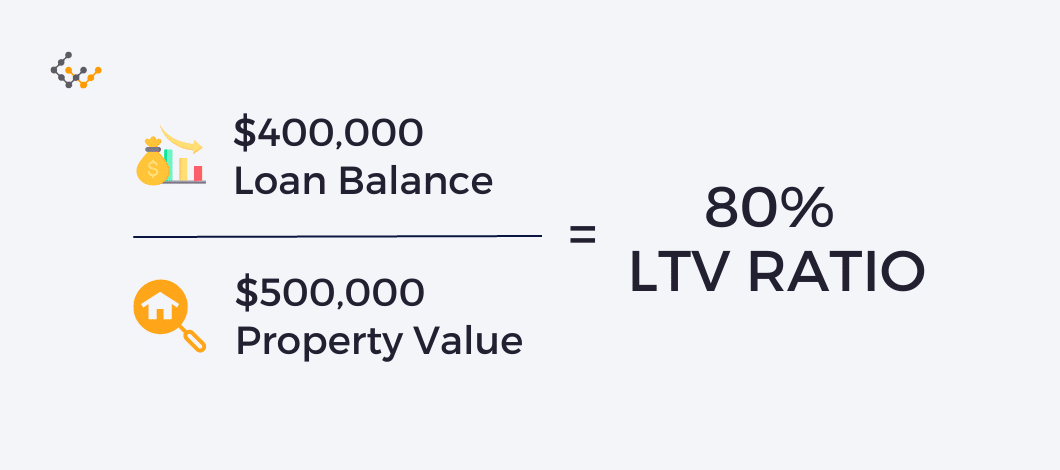
When it comes to Home Equity Line of Credit (HELOC), the Loan-to-Value (LTV) ratio plays a crucial role in determining the amount of credit a borrower can access based on the equity they have in their home. A high LTV ratio means that the borrower is looking to borrow a significant portion of the home's value, which can have both advantages and disadvantages.Impact on Borrowing Limits and Terms
- A high LTV ratio typically results in a lower borrowing limit for the borrower. This is because lenders are taking on more risk by providing a larger loan amount compared to the equity available in the home.
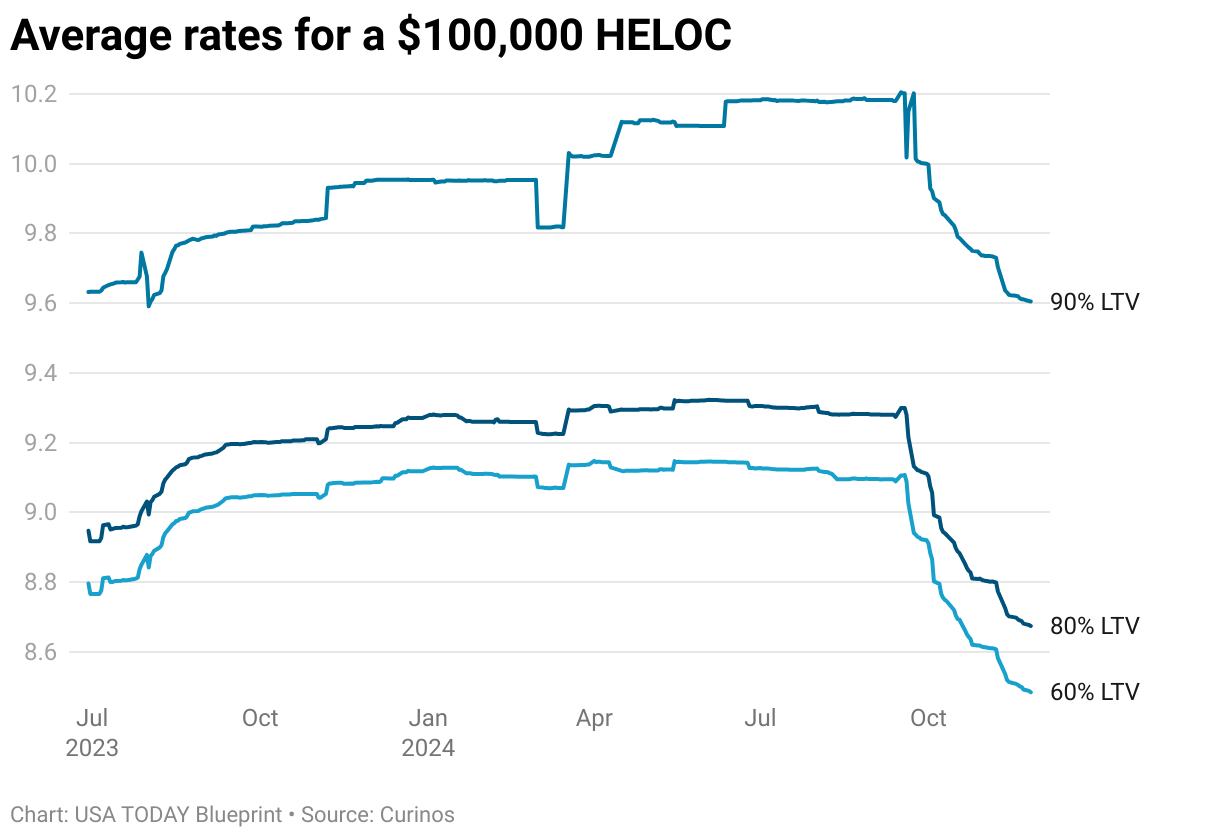
- Higher LTV ratios may also lead to stricter terms and conditions on the HELOC, such as higher interest rates or additional fees to offset the increased risk for the lender.
- Conversely, a lower LTV ratio usually allows for a higher borrowing limit and more favorable terms, as the lender sees the loan as less risky due to the higher equity cushion.
Risks and Benefits
- Risks: One of the main risks associated with high LTV ratios in HELOCs is the potential for negative equity if the housing market declines. This could leave the borrower owing more than the home is worth, making it difficult to sell or refinance.
- Benefits: On the other hand, a high LTV ratio can provide access to a larger amount of funds for things like home improvements, debt consolidation, or emergencies without the need to take out a second mortgage or personal loan.
Factors to Consider when Choosing a HELOC Lender
 When selecting a lender for high LTV HELOCs, borrowers need to consider several key factors to ensure they are making the best decision for their financial situation.
Interest Rates, Fees, and Repayment Terms
- Interest Rates: Compare the interest rates offered by different lenders to find the most competitive rates. Even a small difference in interest rates can have a significant impact on the total cost of the loan over time.
- Fees: Look into the various fees associated with the HELOC, such as application fees, closing costs, and annual fees. These fees can vary widely between lenders and can add up quickly, impacting the overall affordability of the loan.
- Repayment Terms: Consider the repayment terms offered by each lender, including the length of the draw period and the repayment period. Make sure the terms align with your financial goals and ability to make payments.
Evaluating Responsiveness and Customer Service
- Responsiveness: Choose a lender that is responsive to your inquiries and provides clear, timely communication throughout the loan process. A responsive lender can address any concerns or questions you may have, ensuring a smooth borrowing experience.
- Customer Service: Look for a lender that offers excellent customer service, as this can make a big difference in your overall satisfaction with the loan. Consider reading reviews or asking for recommendations to gauge the level of customer service provided by each lender.
Comparison of HELOC Lenders
When comparing HELOC lenders that offer high LTV ratios, it is essential to consider various factors such as interest rates, fees, and loan terms. This comparison can help borrowers make an informed decision based on their individual financial needs and goals.Table Comparing HELOC Lenders
To make it easier for borrowers to compare different HELOC lenders, the table below Artikels the key details of each lender:| Lender | Interest Rates | Fees | Loan Terms | Pros | Cons |
|---|---|---|---|---|---|
| Lender A | 3.5% | $500 origination fee | 10-year term | Low interest rate | High origination fee |
| Lender B | 4% | No origination fee | 15-year term | No fees | Higher interest rate |
| Lender C | 3.75% | $250 appraisal fee | 20-year term | Flexible terms | Additional fees |
Last Recap
In conclusion, understanding the significance of high LTV ratios in HELOCs and how to choose the right lender can empower you to make sound financial choices. With this guide, you are equipped to embark on your journey towards securing the best HELOC lender that aligns with your financial goals.
FAQ Section
What factors should I consider when choosing a HELOC lender with high LTV ratios?
Consider interest rates, fees, customer service quality, and repayment terms to ensure you make an informed decision.
How do high loan-to-value ratios impact borrowing limits in HELOCs?
Higher LTV ratios may lead to increased borrowing limits, allowing you to access more funds based on your home equity.
What are the risks associated with high LTV ratios in HELOCs?
Higher LTV ratios can increase the risk of owing more than your home's worth and facing challenges in repayment if property values decline.