
Exploring the benefits and drawbacks of utilizing a HELOC to eliminate high-interest debt opens up a world of financial possibilities. Let's delve into the intricacies of this strategy and uncover the potential outcomes it may bring.
Detailing the various aspects of leveraging a HELOC for debt repayment will provide valuable insights for making informed financial decisions.
Introduction to HELOC for Debt Payoff
A Home Equity Line of Credit (HELOC) is a revolving line of credit that allows homeowners to borrow against the equity in their homes. It works similar to a credit card where you can borrow funds as needed, up to a certain limit, and pay interest only on the amount you use.
Examples of High-Interest Debt
- Credit card debt: Credit cards often come with high-interest rates, making it challenging to pay off the balance in full each month.
- Personal loans: Unsecured personal loans can have high-interest rates, especially for borrowers with less-than-perfect credit.
- Medical bills: Unexpected medical expenses can lead to high balances that accrue interest over time.
Leveraging Home Equity for Debt Consolidation
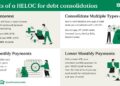
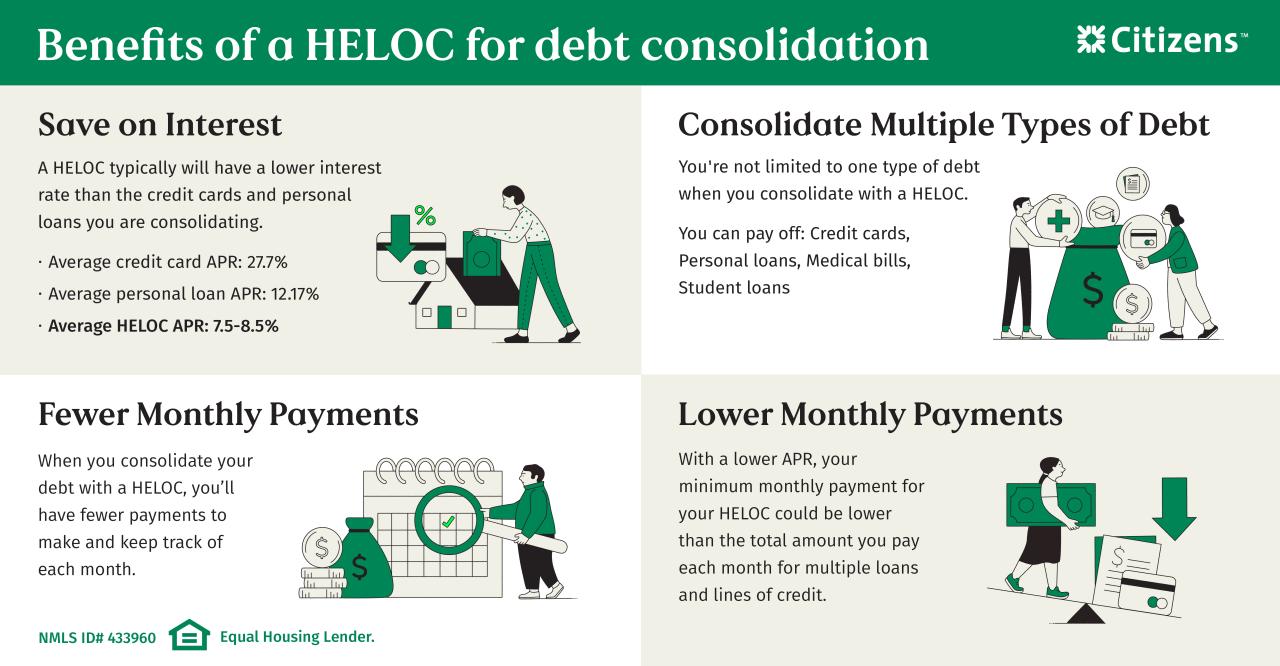
By using a HELOC to pay off high-interest debt, homeowners can consolidate multiple debts into one lower monthly payment. This can potentially save money on interest payments over time and simplify debt management.
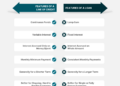
Pros of Using a HELOC for Debt Payoff
Using a Home Equity Line of Credit (HELOC) to pay off high-interest debt comes with several advantages that can help individuals better manage their finances and reduce overall interest payments.Lower Interest Rates
A key benefit of using a HELOC to pay off high-interest debt is the potential for lower interest rates. HELOCs typically come with lower interest rates compared to credit cards or personal loans, which means borrowers can save money on interest payments over time.
Flexibility in Repayment
HELOCs offer flexibility in managing debt repayment. Borrowers have the option to choose how much to borrow and when to make payments, giving them more control over their debt payoff strategy. Unlike fixed loans, HELOCs allow borrowers to access funds as needed, making it easier to handle unexpected expenses or fluctuations in income.
Cons of Using a HELOC for Debt Payoff
While using a HELOC to pay off high-interest debt can have its advantages, there are also some drawbacks to consider.
Risks Associated with Using a HELOC
One major risk of using a HELOC to pay off debt is the potential to lose your home if you are unable to repay the borrowed amount. Unlike credit cards or personal loans, a HELOC is secured by your home, putting your property at risk if you default on payments
Impact on Credit Scores
Utilizing a HELOC to pay off debt can also have an impact on your credit score. Opening a new line of credit and utilizing a large portion of the available funds can increase your credit utilization ratio, which may lower your credit score. Additionally, missing payments on the HELOC can further damage your credit.
Variable Interest Rates on HELOCs
One of the disadvantages of using a HELOC for debt payoff is the variable interest rates. Unlike fixed-rate loans, HELOCs often come with variable interest rates that can fluctuate over time. This variability can make it challenging to predict monthly payments and may result in higher interest costs over the life of the loan.
Strategies for Using a HELOC Wisely
When utilizing a Home Equity Line of Credit (HELOC) to pay off high-interest debt, it is essential to employ smart strategies to ensure financial stability and successful debt repayment. Here are some tips on how to responsibly utilize a HELOC for debt payoff.Determining the Amount to Borrow
- Assess your total outstanding debt: Before borrowing through a HELOC, calculate the exact amount of high-interest debt you need to pay off. This will help you determine the appropriate borrowing amount.
- Consider your home equity: Take into account the equity you have in your home when deciding on the amount to borrow. It is advisable not to borrow more than 85% of your home's value to avoid overleveraging.
Creating a Repayment Plan
- Evaluate your budget: Analyze your monthly income and expenses to create a realistic repayment plan. Ensure that you can comfortably make the HELOC payments along with your other financial obligations.
- Set a repayment timeline: Establish a clear timeline for repaying the HELOC amount borrowed for debt consolidation. Consider factors like interest rates, loan term, and your financial goals when determining the repayment period.
- Stick to the plan: Commit to your repayment plan and make timely payments to avoid falling back into debt. Avoid accumulating new debt while paying off the HELOC balance to achieve financial stability.
Final Wrap-Up
In conclusion, the utilization of a HELOC to tackle high-interest debt presents both opportunities and risks that should be carefully weighed. By understanding the intricacies of this approach, individuals can navigate their financial journey with confidence and foresight.
FAQ Insights
What risks are associated with using a HELOC for debt payoff?
Using a HELOC can put your home at risk if you're unable to make payments, potentially leading to foreclosure. It's important to assess your financial situation carefully before proceeding.
Can a HELOC help in lowering overall interest payments?
Yes, by consolidating high-interest debt into a HELOC with a lower interest rate, you can potentially reduce the total amount paid in interest over time.